
Reading Vision, Monovision & Presbyopia Treatment in NYC
Surgical and non-surgical options for patients who want to reduce dependence on reading glasses
If you are over 40 and suddenly need reading glasses, you are experiencing presbyopia.
Presbyopia happens because the natural lens inside the eye becomes less flexible over time, making near vision more difficult. Patients often notice they need to hold menus, phones, or books farther away to focus clearly.
At Park Avenue LASEK, Dr. Emil Chynn evaluates both surgical and non-surgical options for patients who want to reduce dependence on reading glasses.
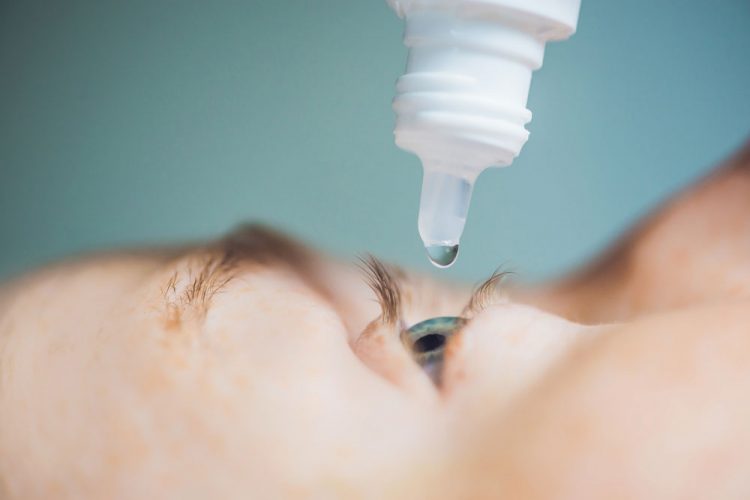
Treatment options can include prescription reading vision eye drops, monovision contact lens testing, or monovision LASEK.
Two Different Approaches to Reading Vision Correction
Presbyopia treatment is not one-size-fits-all. Some patients want a temporary, non-surgical option for reading vision. Others want a longer-term surgical solution to reduce dependence on reading glasses.
Reading Vision Eye Drops
Prescription reading vision drops are designed for patients who want near vision improvement without surgery.
- Temporary improvement for near vision
- Useful for phones, menus, books, and screens
- Good option for patients not ready for surgery
- Can be discussed during a reading vision consultation
Monovision LASEK / ReadingVision
Monovision LASEK is designed for patients who want a longer-term solution to reduce dependence on reading glasses.
- One eye is optimized for distance vision
- The other eye is adjusted for near vision
- The brain blends both images together
- Often tested with contact lenses before surgery
Dr. Chynn evaluates your prescription, eye dominance, lifestyle, and visual goals to determine which reading vision option is appropriate.
What Is Monovision?
Monovision corrects one eye for distance vision and the other for near vision.
The brain learns to combine both images together, allowing many patients to function comfortably without constantly switching between reading glasses and distance glasses.
Monovision is commonly used for:
• Reading menus
• Phones and tablets
• Computer work
• Daily near vision tasks
• Reducing dependence on readers
How Long Does It Take to Adjust to Monovision?
Most patients adapt to monovision within several days to several weeks.
The adjustment period depends on:
• eye dominance
• prescription strength
• depth perception sensitivity
• visual demands
Patients who adapt well often describe monovision as feeling natural once the brain adjusts.
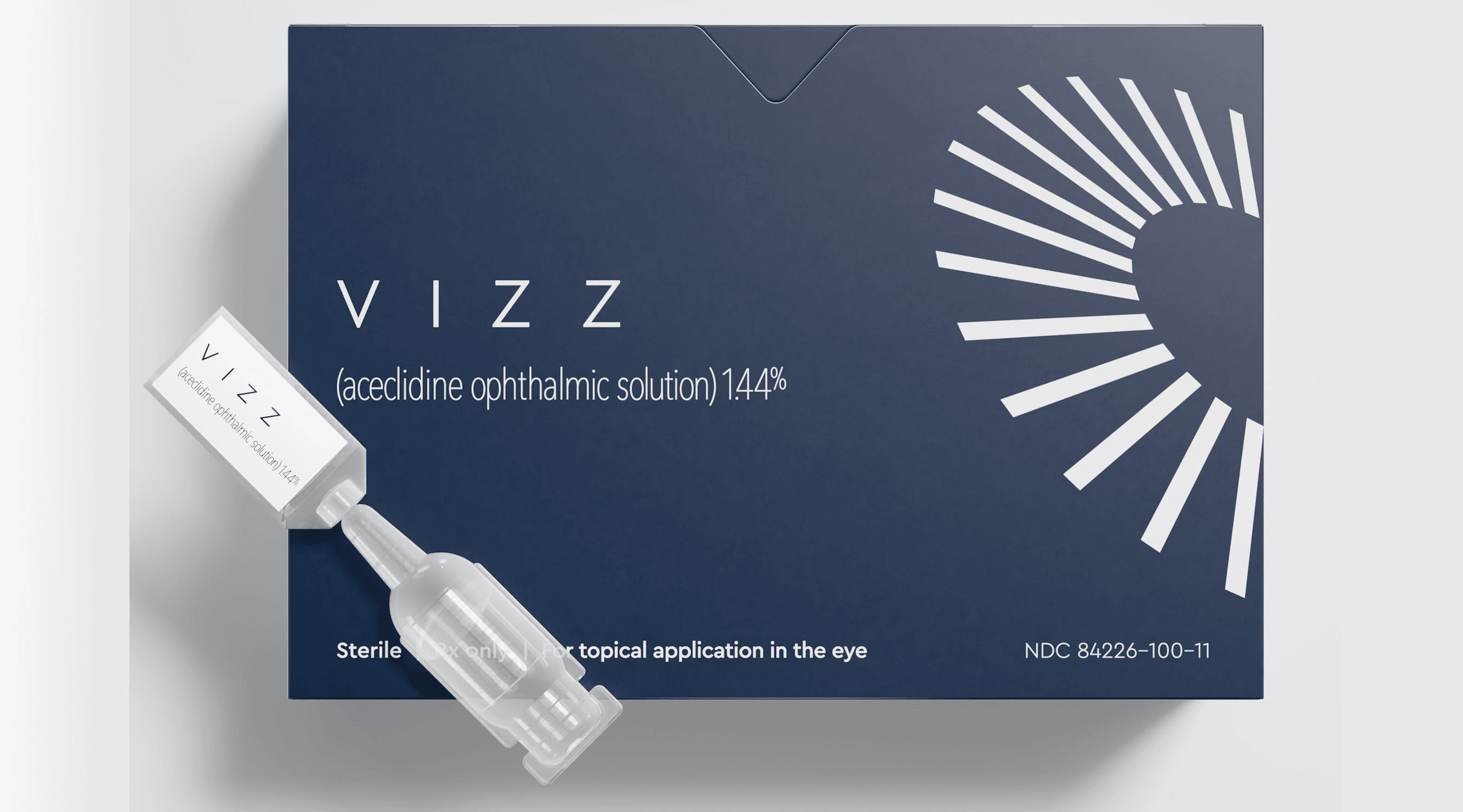
VIZZ™ & Reading Vision Drops for Presbyopia
Prescription reading vision drops are designed for patients who want temporary improvement in near vision without surgery.
Depending on your eyes, goals, and medical history, Dr. Chynn can also discuss Qlosi™ and other prescription presbyopia drops during your reading vision consultation.
- Phones and tablets
- Restaurant menus
- Books and labels
- Computer screens
- Daily near tasks
- Patients not ready for surgery
Not Ready for Surgery?
Start with a non-surgical reading vision evaluation and learn whether VIZZ, Qlosi, or another drop option is appropriate for your eyes.
Reading Vision Treatment Comparison
Different presbyopia treatments solve different problems. Drops can provide temporary near vision improvement. Contact lenses can help test monovision. Monovision LASEK is the longer-term surgical option for patients who want to reduce dependence on reading glasses.
| Option | Surgical? | Duration | Best For | Key Limitation |
|---|---|---|---|---|
| VIZZ™ | No | Temporary | Patients who want near vision improvement without surgery | Effects wear off naturally |
| Qlosi™ | No | Temporary | Patients exploring prescription reading vision drops | Effects wear off naturally |
| Monovision Contacts | No | Temporary / Trial | Testing whether monovision feels comfortable before surgery | Requires contact lens use |
|
Monovision LASEK Longer-Term Option |
Yes | Longer-term | Patients who want to reduce dependence on reading glasses | Requires surgical evaluation |
| Reading Glasses | No | As worn | Patients who prefer traditional correction | Dependence remains |
Our Videos
Watch our Video Testimonials, Post-op interviews and Procedure Videos.
#1 Rated
LASEK, LASIK, PRK, SMILE Eye
Surgery Center in NYC
#1 Rated LASEK, LASIK, PRK, SMILE Eye Surgery Center in NYC
LASEK vs. LASIK
Ortho-K
Work while you sleep
Cross-linking (CXL)
Keratoconus treatment
Eye Jewelry
Introducing the newest trend
Corneal Tattoo
Ink to match your iris
(212) 741-8628

Get Directions to Park Avenue LASEK
102 E 25th St, New York, NY 10010