

Extreme Myopia, Hyperopia & Astigmatism Treatment in NYC

LASEK for patients with prescriptions too high for traditional LASIK

Advanced treatment for complex vision correction cases

Patients with extreme prescriptions are told they are not candidates for LASIK because too much corneal tissue would need to be removed.

This is especially common in patients with severe myopia, high hyperopia, or significant astigmatism.

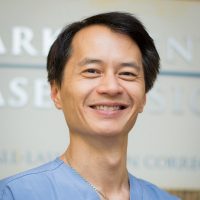
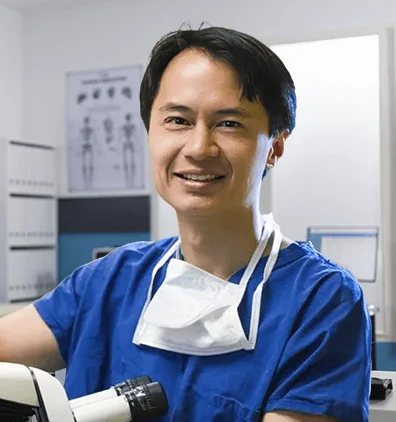
At Park Avenue LASEK, Dr. Emil Chynn specializes in treating complex vision correction cases using advanced surface ablation techniques like LASEK and epi-LASEK.

These procedures preserve more corneal tissue, avoid flap complications, and safely treat prescriptions that exceed the limits of traditional LASIK.

Dr. Chynn has presented international research on advanced surface ablation for extreme myopia, hyperopia, and astigmatism, and has performed more LASEK procedures than any other surgeon in the United States.

WHY EXTREME PRESCRIPTIONS ARE COMPLEX

Patients with extreme prescriptions require more laser correction, which means more corneal tissue must be removed.

Traditional LASIK becomes less safe as prescriptions increase because creating a corneal flap weakens the structural integrity of the cornea.

This is why many patients with high myopia, hyperopia, or astigmatism are told they are not candidates for LASIK.

WHY LASEK FOR EXTREME PRESCRIPTIONS

LASEK is a flap-free laser vision correction procedure that preserves more corneal tissue than LASIK.

Because no corneal flap is created, the structural integrity of the cornea remains stronger after surgery.

This allows Dr. Chynn to safely treat prescriptions that are often outside the safe treatment range for LASIK.

  • Extreme myopia (severe nearsightedness)
  • High hyperopia (severe farsightedness)
  • High astigmatism
  • Thin corneas
  • Complex or previously rejected cases

Extreme Myopia

Patients with extreme myopia require more tissue removal than LASIK safely allows.

LASEK preserves more corneal tissue and safely treats prescriptions as high as -19.00 in properly evaluated patients.

High Hyperopia (Severe Farsightedness)

Hyperopia is more difficult to treat than myopia because the corneal reshaping pattern is more complex.

LASEK allows for precise treatment while avoiding flap-related complications associated with LASIK.

High Astigmatism Treatment

Patients with severe astigmatism often experience blurred or distorted vision at all distances.

LASEK allows for highly customized correction patterns that improve visual clarity while maintaining corneal stability.

LASEK vs LASIK for Extreme Prescriptions
Patients with severe myopia, high hyperopia, significant astigmatism, or thin corneas often require a different surgical approach. This comparison explains why LASEK is frequently preferred in complex vision correction cases.
Comparison Traditional LASIK
Preferred for Complex Cases
LASEK
Extreme Myopia
(High Nearsightedness)
Limited

High prescriptions require significant tissue removal, which can weaken the cornea after flap creation.
Better for High Prescriptions

Preserves more corneal tissue and safely treats stronger prescriptions in properly evaluated patients.
High Hyperopia
(Severe Farsightedness)
Less Predictable

Higher hyperopic corrections become more difficult due to flap-related structural changes.
More Conservative Approach

Maintains greater corneal integrity while allowing customized correction patterns.
High Astigmatism Higher Structural Stress

Large corrections combined with flap creation increase biomechanical strain on the cornea.
Customized Surface Treatment

Allows highly precise correction while preserving long-term corneal stability.
Thin Corneas Frequently Not Recommended

LASIK flaps remove additional tissue, reducing overall corneal thickness.
Commonly Evaluated

No corneal flap is created, allowing more tissue preservation for safer treatment.
Corneal Flap Required

A permanent flap is created in the cornea before laser treatment.
No Flap

Surface-based treatment preserves corneal structure and avoids flap-related complications.
Dry Eye Risk Higher

Corneal nerves involved in tear production are more affected after flap creation.
Lower

Surface-based treatment preserves more nerve integrity and reduces long-term dryness risk.
Complex Cases Often Declined

Many patients with extreme prescriptions are told they are not candidates for LASIK.
Specialized Evaluation

Designed specifically for patients requiring a more advanced and conservative approach.
← Scroll left/right on mobile to compare procedures →

We Want You To See Better Than 20/20

Ready for your Free Consultation?

Our Videos​

Watch our Video Testimonials, Post-op interviews and Procedure Videos.​

#1 Rated
LASEK, LASIK, PRK, SMILE Eye
Surgery Center in NYC

#1 Rated LASEK, LASIK, PRK, SMILE Eye Surgery Center in NYC

Dr. Chynn
blue line

LASEK vs. LASIK

100% Non Cutting
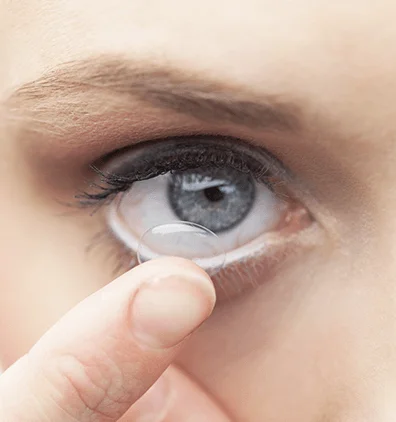
Female is putting a contact lens into her eye
blue line

Ortho-K

Work while you sleep

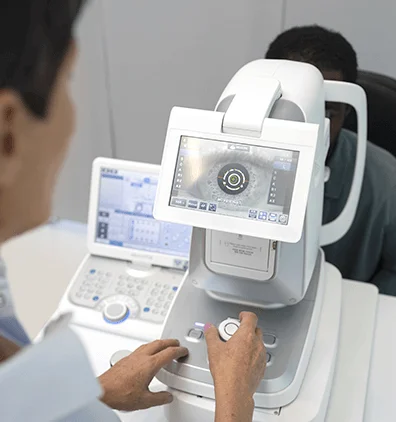
Cross-Linking - Image of Testing Equipment
blue line

Cross-linking (CXL)

Keratoconus treatment

Female Eye
blue line

Eye Jewelry

Introducing the newest trend

An Eye Closeup
blue line

Corneal Tattoo

Ink to match your iris

Have Questions? Call our Office!

(212) 741-8628

We Want You To See Better Than 20/20

Ready for your Free Consultation?

We Want You To See Better Than 20/20

Ready for your Free Consultation?

Our Financing Partners

See the Possibilities Clearly: Affordable Financing Options
Available for Your Eye Surgery Journey!

See the Possibilities Clearly: Affordable Financing Options Available for Your Eye Surgery Journey

Get Directions to Park Avenue LASEK

102 E 25th St, New York, NY 10010

Emil Chynn, MD, MBA, FACS

ASK DR. CHYNN!

Get ONE question answered for FREE by our famous Harvard-trained surgeon who's been featured on Discovery Channel & CNN

Dr. Chynn graduated from Dartmouth + Columbia + Harvard + Emory + NYU & has been on ABC, NBC, CBS & in the NY Times & Wall St. Journal

He’s performed 40,000 LASIK, SMILE, PRK, LASEK, & ICLs. He’s the ONLY eye surgeon in the US who’s had both LASIK & LASEK himself, so knows the pluses & minuses of each!

Dr. Chynn specializes in treating cases which don’t qualify for LASIK, including:

• extreme prescriptions
• thin corneas
• astigmatism
• need for reading glasses

See other Real Patient Questions that Dr. Chynn has answered! Ask Dr Chynn 

  • This field is for validation purposes and should be left unchanged.
  • Please don’t worry – Your information will NOT be automatically added to our database.